

Introduction to Gochujang Shrimp Pasta
Bringing together the comforting essence of italian pasta and the bold, spicy kick of gochujang, this Gochujang Shrimp Pasta recipe is a celebration of flavors that transcends culinary borders. Picture it: a busy weeknight, and you want something quick, delightful, and bursting with personality. That’s where this dish comes in! The sweet heat of gochujang balances beautifully with tender shrimp and perfectly cooked pasta, making it a standout option for dinner when you need something extraordinary without the fuss.
What inspired me to create this recipe?
As someone who has always loved experimenting in the kitchen, I found myself craving both Italian and Korean cuisine one evening. The pantry was stocked with spaghetti, and a glance at the fridge revealed some fresh shrimp just waiting to be used. Instead of the usual tomato or cream sauce, I thought, “Why not elevate this pasta with the stunning flavor of gochujang?” After a few tries, I hit the sweet spot—a spicy, umami-packed sauce that pairs perfectly with succulent shrimp and al dente pasta.
The idea was not just to create a meal, but to craft a dish that encourages conversation and delight at the dinner table. With each bite, you’ll experience the layers of flavor that gochujang shrimp pasta offers; it’s not just a meal, it’s an experience!
This dish has quickly become a favorite among friends and family, and I hope it garners the same love in your kitchen. So grab your ingredients, and let’s create something unforgettable together. You’re not just making pasta; you’re stepping into a world where flavors meld seamlessly, and busy weeknights feel a little more special. Join me on this culinary adventure, and let the magic unfold!

Key Ingredients for Gochujang Shrimp Pasta
Shrimp: The star of this gochujang shrimp pasta dish is undoubtedly the shrimp. I recommend using fresh shrimp, if available, for that sweet and tender texture. If you opt for frozen shrimp, make sure to thaw them completely and pat them dry before cooking to avoid excess water diluting the flavors.
Gochujang: This Korean red chili paste brings a unique umami flavor and a gentle heat that elevates the entire dish. It’s important to choose a good quality gochujang, as its flavor intensity can vary. You can adjust the quantity to match your preference for spice and sweetness.
Pasta: I love using linguine or spaghetti for this recipe, as the noodles hold onto the sauce beautifully. You can also use whole wheat or gluten-free pasta if you prefer a healthier or alternative option.
Vegetables: Bell peppers and snap peas add vibrant color and a satisfying crunch. Feel free to use any seasonal vegetables you have on hand; they can enhance the dish’s nutrition and flavor.
Garlic: Minced garlic adds aromatic depth to the gochujang shrimp pasta, making each bite incredible. Fresh garlic is recommended for the best flavor!
Coconut Milk: This ingredient lends creaminess and balances the flavors of the dish, giving it an inviting richness. For a lighter option, you could use light coconut milk.
Lime Juice: A splash of fresh lime juice at the end brightens up the dish and complements the gochujang’s earthiness.
Why You’ll Love This Gochujang Shrimp Pasta
The first time I had gochujang shrimp pasta, a delightful fusion of spicy Korean and classic Italian flavors, my taste buds went on an exciting journey. Imagine succulent shrimp cooked to perfection, enveloped in a rich, savory sauce that perfectly marries the heat of gochujang with the creaminess of pasta. This dish not only tantalizes your palate but also supports a balanced lifestyle packed with quality ingredients.
Vibrant Flavor Profile
What makes this recipe truly stand out is its unique flavor combination. The gochujang adds a sweet heat that compliments the shrimp, leaving every bite bursting with warmth. Paired with fresh ingredients like garlic and scallions, the flavors come alive, turning an ordinary pasta night into something extraordinary.
Quick and Easy Preparation
If you’re short on time, you’ll appreciate how quickly this dish comes together. In about 30 minutes, you can whip up a restaurant-quality dinner without the fuss, making it your go-to meal for a busy weeknight.
Health-Conscious Choice
Using shrimp as the star ingredient means you’re getting a source of lean protein that’s low in calories. Combined with whole grain pasta, this dish is a wholesome option that doesn’t compromise on flavor.
With its delightful fusion of ingredients and effortless preparation, gochujang shrimp pasta is destined to become a favorite in your kitchen. Give it a try, and you won’t be disappointed!

Variations of Gochujang Shrimp Pasta
Crafting the perfect gochujang shrimp pasta opens up a world of flavorful creativity. While the classic recipe is undeniably delicious, there are numerous delightful spins you can take that will make this dish uniquely yours.
Creamy Gochujang Shrimp Pasta
For those who love a rich and decadent flavor, try adding cream to your sauce. Simply mix in a splash of heavy cream or coconut milk after the shrimp has cooked. This addition will balance the spice of the gochujang with a luscious creaminess, making every bite delightful.
Veggie-Packed Gochujang Shrimp Pasta
Want to boost your veggie intake? Toss in some sautéed bell peppers, spinach, or zucchini into the mix. Not only will this add nutrition, but the vibrant colors will also beautify your plate, making your gochujang shrimp pasta a feast for the eyes as well.
Gochujang Shrimp and Coconut Noodles
Take a culinary trip to Southeast Asia by swapping out traditional pasta for rice noodles. The lightness of the noodles paired with the depth of gochujang creates a delightful twist. Add a sprinkle of lime juice for a zesty finish!
Spicy Gochujang Shrimp Pasta with Nuts
For a delightful crunch, consider adding crushed peanuts or cashews. This not only complements the creamy sauce but also adds an exciting texture that elevates your dining experience.
Each variation of gochujang shrimp pasta is a new opportunity to discover exciting flavors and satisfy your taste buds!
Cooking Tips and Notes for Gochujang Shrimp Pasta
Bringing the gochujang shrimp pasta to life in your kitchen can be an exciting culinary adventure. Here are some tips and notes to ensure you nail this recipe and impress anyone who joins you for dinner.
Shrimp Choices: Opt for fresh or frozen shrimp that’s peeled and deveined, preferably large-grade shrimp for a meaty bite. If using frozen, remember to thaw them thoroughly for the best texture and even cooking.
Gochujang Sauce: The star of this dish is the gochujang paste. A little goes a long way, so start with the amount specified in the recipe, then adjust to taste. If you’re new to gochujang, consider mixing it with a touch of soy sauce and honey to balance its sharpness.
Pasta: Choose a pasta that holds the sauce well—spaghetti or fettuccine works wonderfully. Ensure you cook your pasta al dente, as it will continue to soften once mixed with the sauce.
Cooking Technique: Sauté the shrimp until just pink for optimum texture; overcooking can make it rubbery. Also, remember to reserve a splash of pasta water. This liquid can help adjust the sauce’s consistency when combining everything.
Veggie Add-ins: Feel free to toss in some vegetables like spinach or bell peppers for added nutrition and color. Just sauté them alongside the shrimp for a vibrant dish.
With these tips, your gochujang shrimp pasta will be a delightful dish that pleases the palate and warms the heart!
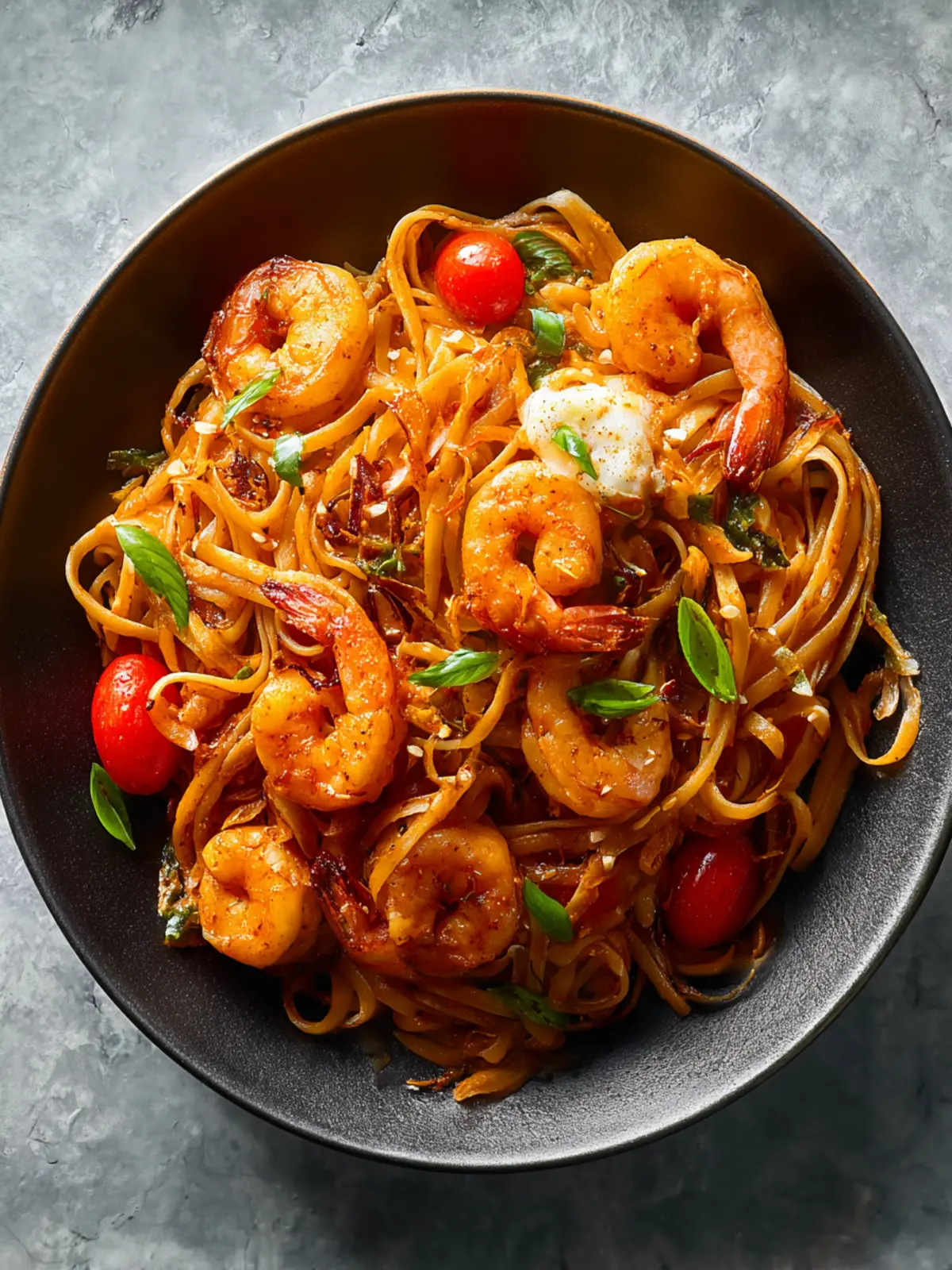
Serving Suggestions for Gochujang Shrimp Pasta
When you dive into the enticing world of gochujang shrimp pasta, you’re unlocking a flavor profile that’s unique and comforting at the same time. Picture this: a cozy weeknight dinner where friends gather, laughter fills the air, and this spicy, umami-rich pasta takes center stage.
Pairing it Right
- Wine Selection: Elevate your dining experience by pairing this dish with a chilled Sauvignon Blanc or a light Pinot Grigio. These crisp wines enhance the vibrant flavors of the gochujang without overwhelming your palate.
- Fresh Herbs: Adding fresh basil or cilantro as a garnish not only brightens the dish but also adds a pop of freshness that complements the rich sauce perfectly.
Sides That Shine
- Simple Green Salad: A mixed green salad with a light vinaigrette balances the hearty pasta. Try arugula, spinach, and cherry tomatoes dressed with a citrusy dressing for a fresh contrast.
- Garlic Bread: Nothing pairs better with pasta than a side of warm garlic bread. Crunchy on the outside and soft inside, it’s perfect for sopping up any extra sauce.
Creative Twists
- Protein Options: Feel like mixing it up? Substitute shrimp with grilled chicken or even tofu for a vegetarian option. Each variation brings its own delightful twist while still keeping the flavors of gochujang shrimp pasta in focus.
With these serving suggestions, your gochujang shrimp pasta isn’t just a meal; it’s an experience to be shared and savored.
Time Breakdown for Gochujang Shrimp Pasta
Embarking on the delicious journey of preparing Gochujang Shrimp Pasta is both rewarding and quick. Here’s a handy time breakdown to keep your cooking experience seamless.
Preparation Time
Gathering your ingredients and prepping doesn’t take long, generally around 10-15 minutes. This allows you to chop the vegetables and season the shrimp perfectly.
Cooking Time
The magic happens in just 20-25 minutes. You’ll be sautéing shrimp and vegetables, letting those flavors meld together beautifully, and cooking your pasta to al dente perfection.
Total Time
All in all, you’re looking at a total time of about 30-40 minutes from start to finish. Perfect for a weeknight dinner that feels both special and quick!
Nutritional Facts for Gochujang Shrimp Pasta
When you dive into the world of gochujang shrimp pasta, you’re not just treating your taste buds; you’re also nourishing your body. This dish strikes a delightful balance between indulgence and nutrition, making it an excellent choice for those busy weeknight dinners.
Calories
Each serving of gochujang shrimp pasta contains approximately 450 calories. This is a fantastic option if you want to keep your meals satisfying without going overboard.
Protein
Packed with protein from succulent shrimp, this dish delivers around 25 grams of protein per serving. It’s an efficient source of energy for your day ahead.
Sodium
With sodium levels averaging about 800 mg per serving, it’s wise to monitor your intake, especially if you’re watching your salt consumption. Adjusting ingredients can tailor the dish to your dietary needs, ensuring a delicious yet health-conscious meal.
FAQs about Gochujang Shrimp Pasta
Cooking Gochujang Shrimp Pasta is sure to make your kitchen feel vibrant and exciting. However, as with any recipe, sometimes questions arise. Here are some common ones to guide you.
Can I make this recipe gluten-free?
Absolutely! To keep your Gochujang Shrimp Pasta gluten-free, simply choose gluten-free pasta instead of traditional wheat pasta. Many brands offer a variety of options, from rice-based to chickpea pasta. Additionally, check the gochujang label to ensure it doesn’t contain any wheat products. With these small adjustments, you can enjoy this flavorful dish without worry.
What if I can’t find gochujang?
If you find yourself in a gochujang drought, don’t fret! You can create a substitute by mixing miso paste with a dash of cayenne pepper and a bit of honey or maple syrup. While it won’t perfectly replicate the depth of flavor, it will offer a sweet and spicy kick. Alternatively, explore Asian markets or online retailers for authentic gochujang that’s well worth the effort.
Can I substitute the shrimp with another protein?
Certainly! If shrimp isn’t your favorite or you have a seafood allergy, consider using chicken or tofu for your Gochujang Shrimp Pasta. Chicken breast diced and sautéed will complement the spicy, savory sauce beautifully. For a plant-based option, cubed and marinated tofu can soak up the flavors just as nicely. Whichever protein you choose, you’ll still come away with a deliciously satisfying meal!
Conclusion on Gochujang Shrimp Pasta
There you have it—your next go-to dish of gochujang shrimp pasta that combines bold flavors with minimal fuss. The blend of spicy gochujang and sweet shrimp creates an unforgettable dining experience that transports you straight to the heart of Korean comfort food. Not only is this recipe quick, making it perfect for your busy weeknights, but it also brings a delightful twist to traditional pasta. Whether you’re whipping this up for a cozy dinner or impressing guests, the vibrant colors and flavors are sure to please. Take a step into a culinary adventure today!
Print
Shrimp and Pasta Dish
- Total Time: 30 minutes
- Yield: 4 servings 1x
- Diet: Gluten-Free
Description
A delicious shrimp pasta dish that combines fresh ingredients and is easy to prepare.
Ingredients
- 1 pound large peeled and deveined shrimp (cut crosswise into plump, bite-size pieces)
- 1/4 cup olive oil (plus more for serving)
- 1 pound spaghetti, fettuccine or linguine
- 12 scallions (about 2 large bunches, trimmed and thinly sliced)
- 2 10-ounce packages cherry tomatoes
- salt and pepper (to taste)
Instructions
- Bring a large pot of salted water to a boil. Season the shrimp with salt and pepper.
- Cook the pasta in the boiling water according to package directions until al dente. Reserve about 1 cup of pasta water before draining.
- Meanwhile, heat the olive oil in a large skillet over medium-high heat. Add the shrimp and cook until pink and just cooked through, about 2 to 3 minutes per side. Remove and set aside.
- In the same skillet, add the scallions and cherry tomatoes. Cook until the tomatoes begin to burst, about 5 minutes.
- Add the drained pasta, shrimp, and reserved pasta water to the skillet. Toss everything together until well combined and the sauce coats the pasta.
- Serve with a drizzle of olive oil, and season with salt and pepper to taste.
Notes
- This dish is best served fresh with a sprinkle of fresh herbs if desired.
- Prep Time: 10 minutes
- Cook Time: 20 minutes
- Category: Main Course
- Method: stovetop
- Cuisine: Italian
Nutrition
- Serving Size: 1 plate
- Calories: 500
- Sugar: 3g
- Sodium: 800mg
- Fat: 20g
- Saturated Fat: 3g
- Unsaturated Fat: 15g
- Trans Fat: 0g
- Carbohydrates: 70g
- Fiber: 4g
- Protein: 30g
- Cholesterol: 150mg
