
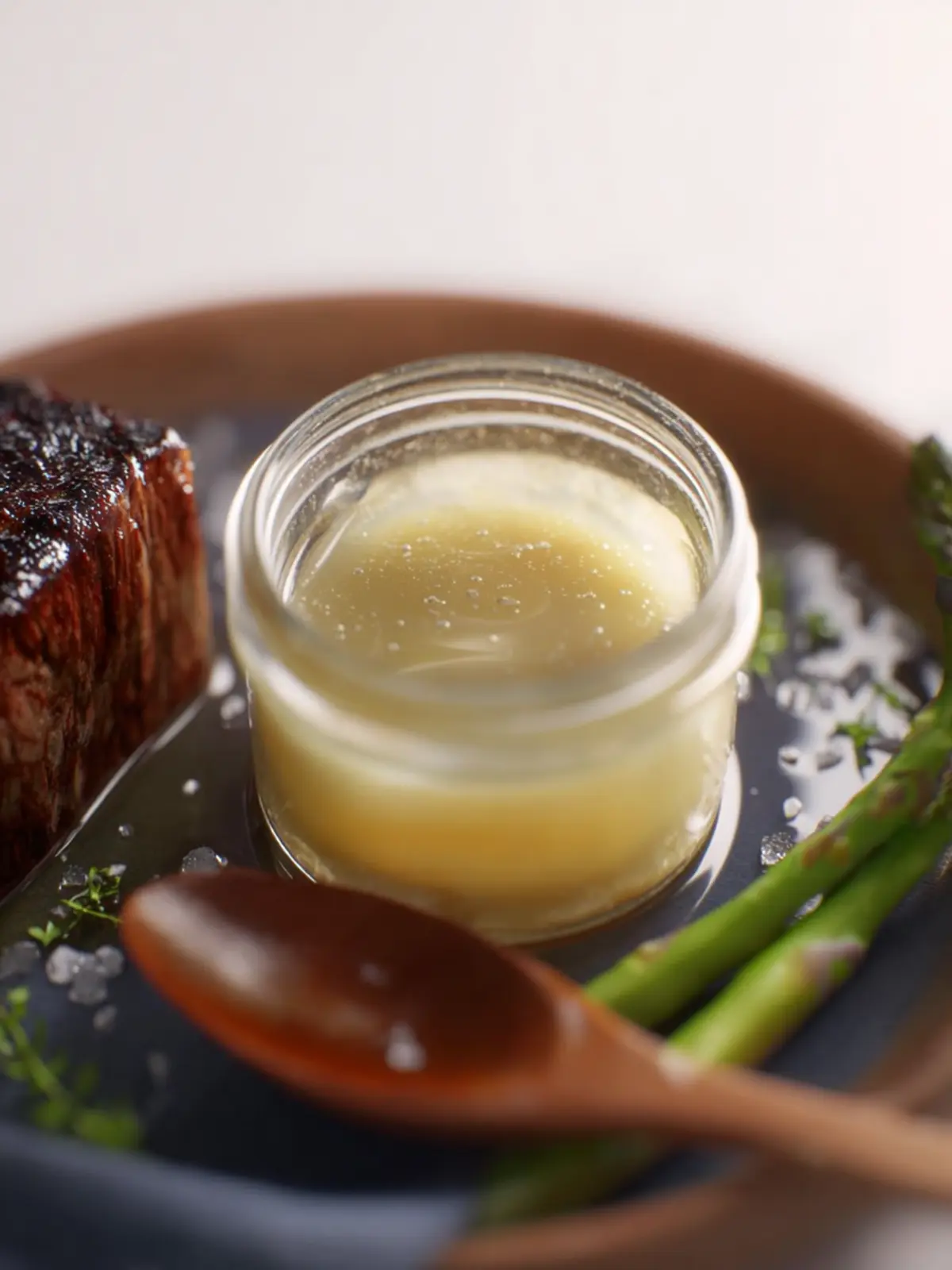
Introduction to Making Beef Tallow from Fat
Discovering how to make beef tallow has become a culinary journey that many food enthusiasts are eager to embark on. Imagine standing in your kitchen, the rich aroma of melting fat filling the air, as you create a versatile cooking fat that adds depth and flavor to a variety of dishes. Making beef tallow at home not only empowers you to control the quality of your ingredients, but it also allows you to reconnect with traditional cooking methods that have been used for centuries.
What is beef tallow and why should you make it at home?
Beef tallow is rendered fat obtained from beef, particularly from the kidney fat, which is known as suet. Unlike some commercial cooking oils that may contain additives, homemade beef tallow is a pure and flavorful fat that elevates the taste of whatever you cook. Its high smoke point makes it an excellent choice for frying, roasting, and even baking, giving your foods a delicious, hearty flavor you simply cannot achieve with vegetable oils.
So, why should you consider making beef tallow at home? There are several compelling reasons:
-
Quality Control: When you render your own tallow, you know exactly what goes into it. You can source high-quality, grass-fed beef fat, ensuring your tallow is free of preservatives and chemicals.
-
Flavor Enhancer: The savory richness that beef tallow adds to dishes is unmatched. Think about crispy roasted potatoes or beautifully seared steaks—tallow brings out the best in every ingredient.
-
Sustainability: Making beef tallow promotes a more sustainable approach to cooking. Rather than discarding leftover fat, you can utilize it and reduce waste.
-
Nutritional Benefits: Beef tallow is rich in saturated fats, which can provide energy and absorb fat-soluble vitamins. It also contains CLA (conjugated linoleic acid), which has been associated with various health benefits.
By learning how to make beef tallow, you’re not just enhancing your culinary repertoire; you’re embracing a healthier, more responsible way of cooking. So grab that beef fat, and let’s get started on this rewarding journey!
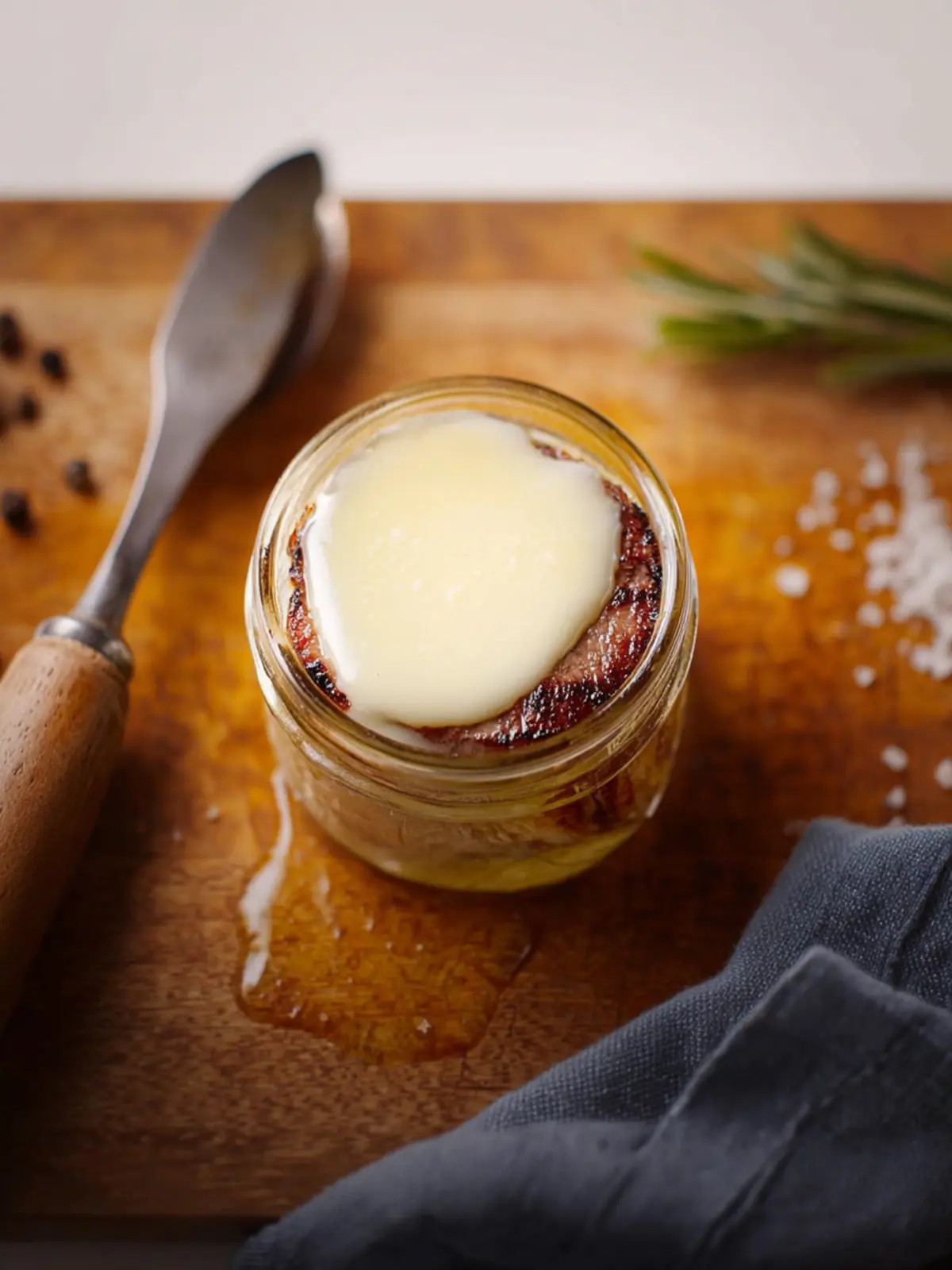
Key Ingredients for Making Beef Tallow from Fat
To embark on the delicious journey of how to make beef tallow, you need the right foundation of ingredients that will elevate your dish. Here’s a look at what you’ll need to create that rich, aromatic tallow.
-
Beef Fat: The star of the show! I prefer hard fat from areas like the fat cap on the brisket or the suet around the kidneys. It has a higher melting point and yields a cleaner taste. Ensure it’s well-trimmed and free of any meat scraps for a purer product.
-
Water: This may seem like an odd addition, but adding a small amount of water to the pot helps control the temperature and prevents the fat from burning too quickly, allowing it to render smoothly.
-
Leeks or Garlic (Optional): For those looking to infuse a subtle flavor, a few leeks or garlic cloves can be added during the rendering process. They’ll impart a delicate aroma but remember to strain them out before storing the tallow.
These ingredients set the stage for diving into your culinary adventure of learning how to make beef tallow that is not only flavorful but also brimming with possibilities in the kitchen!
Why You’ll Love This Recipe
Understanding how to make beef tallow might just change your cooking game for the better. Imagine rich, flavorful meals heightened by a cooking fat that’s not just tasty but also incredibly versatile. Beef tallow is enjoyed not only for its superior flavor but also for its health benefits. It’s an all-natural fat that’s packed with vitamins A, D, E, and K, essential for a balanced diet.
This recipe is deceptively simple, making it accessible even for those new to culinary ventures. You’ll relish the satisfaction of crafting something from scratch, while the aroma of slowly rendered beef fat fills your kitchen. Rather than relying on processed oils, your homemade tallow adds a depth to whatever you’re cooking—be it roasted vegetables, frying eggs, or creating a succulent pie crust.
- Rich Flavor: The robust notes of beef bring an unparalleled taste to your dishes.
- Versatility: Use it for frying, sautéing, or even as a base for gravies.
- Healthier Choice: It’s a natural source of energy with a high smoke point and beneficial nutrients.
Once you’ve mastered this recipe, you’ll never look at cooking fats the same way again!
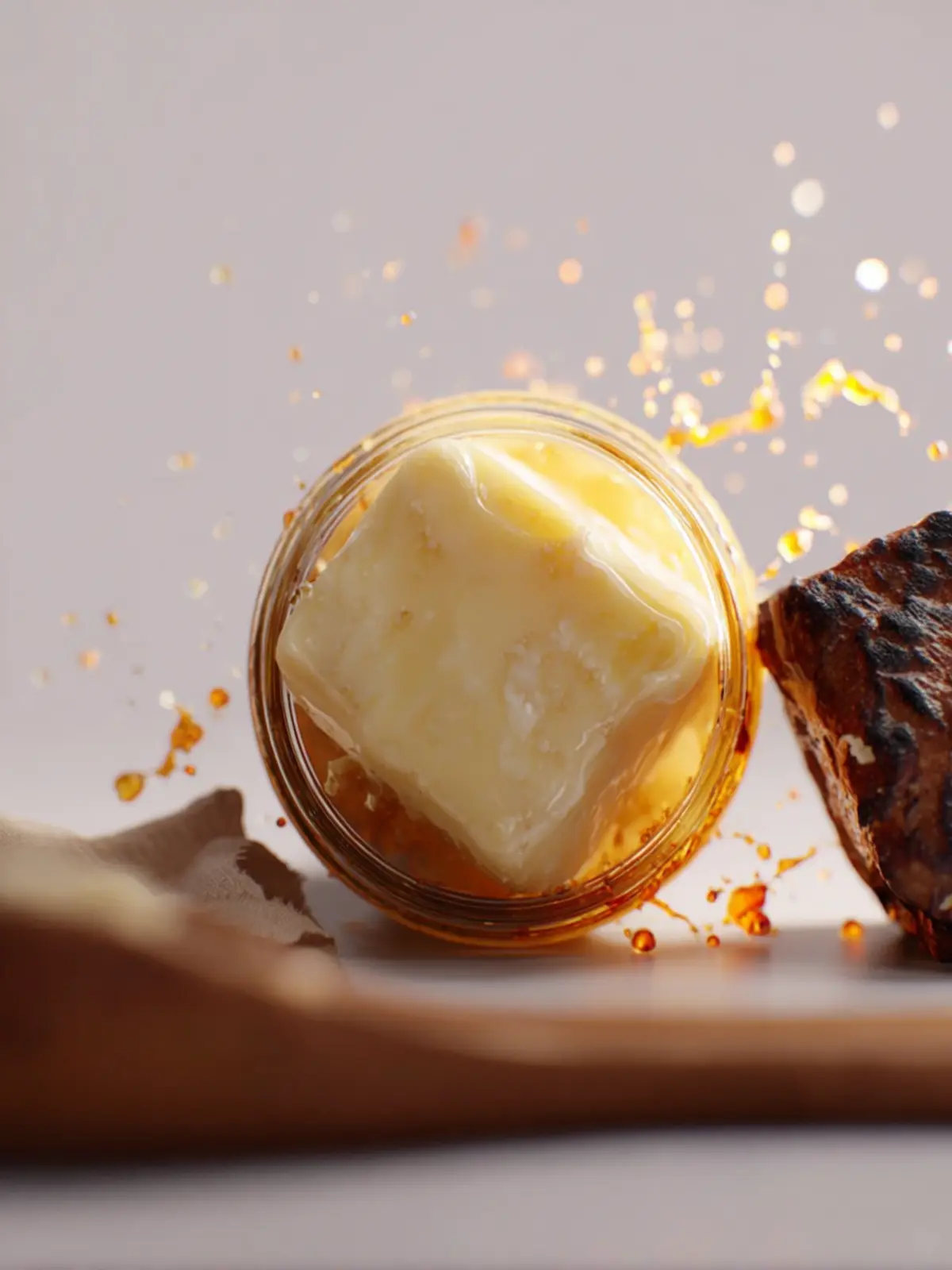
Variations of Beef Tallow
When exploring ways to make beef tallow, you’ll discover that the options extend beyond just the basic cooking fat. Each method introduces unique qualities and flavors to your culinary repertoire.
Using Different Types of Beef Fat
Different cuts of beef produce varying types of fat. For richer tallow, consider using fat from the brisket or ribeye, which adds a deep, beefy flavor. On the other hand, suet, taken from the kidney area, has a higher melting point and can create a firmer texture, ideal for baking. Experimenting with various sources not only enhances the taste but also tailors the consistency to suit your needs.
Infusing Flavors Into Your Tallow
Who says tallow has to be bland? While learning how to make beef tallow, consider infusing it with garlic, herbs, or spices during the rendering process. Adding fresh rosemary or thyme can give an aromatic twist, making your tallow perfect for sautéing veggies or drizzling over roasted meats. Simply toss your flavorings into the fat as it melts and strain them out before storing. This little extra step can elevate your dishes to new heights!
Cooking Tips and Notes for Beef Tallow
Making beef tallow is more than just a process; it’s a culinary journey that connects you to your ingredients like never before. Knowing how to make beef tallow means understanding the nuances of fat that can elevate your cooking. Here are some tips to guide you through the process effortlessly.
Preparing and Cutting the Fat
Start by selecting high-quality beef fat, ideally from grass-fed cows for the best flavor and health benefits. Cut the fat into small, uniform pieces—about one inch in size. This helps it render more evenly and more efficiently. Don’t rush; a sharper knife will make your life much easier here. Remember, the smaller the pieces, the faster the fat will melt!
Essential Tools for the Process
Having the right tools at your disposal can make the task smoother. Here’s what you’ll need:
- Sharp Knife: Essential for cutting the fat with precision.
- Cutting Board: A sturdy surface will make cutting easier and safer.
- Slow Cooker or Heavy Pot: Ideal for rendering, as low heat allows the fat to melt slowly without burning.
- Strainer or Cheesecloth: To separate the liquid tallow from the solid bits after rendering.
- Storage Containers: Glass jars or metal tins are great for keeping your finished beef tallow fresh.
Master these tips, and your culinary endeavors with beef tallow will flourish, enhancing flavors in your dishes for weeks to come!
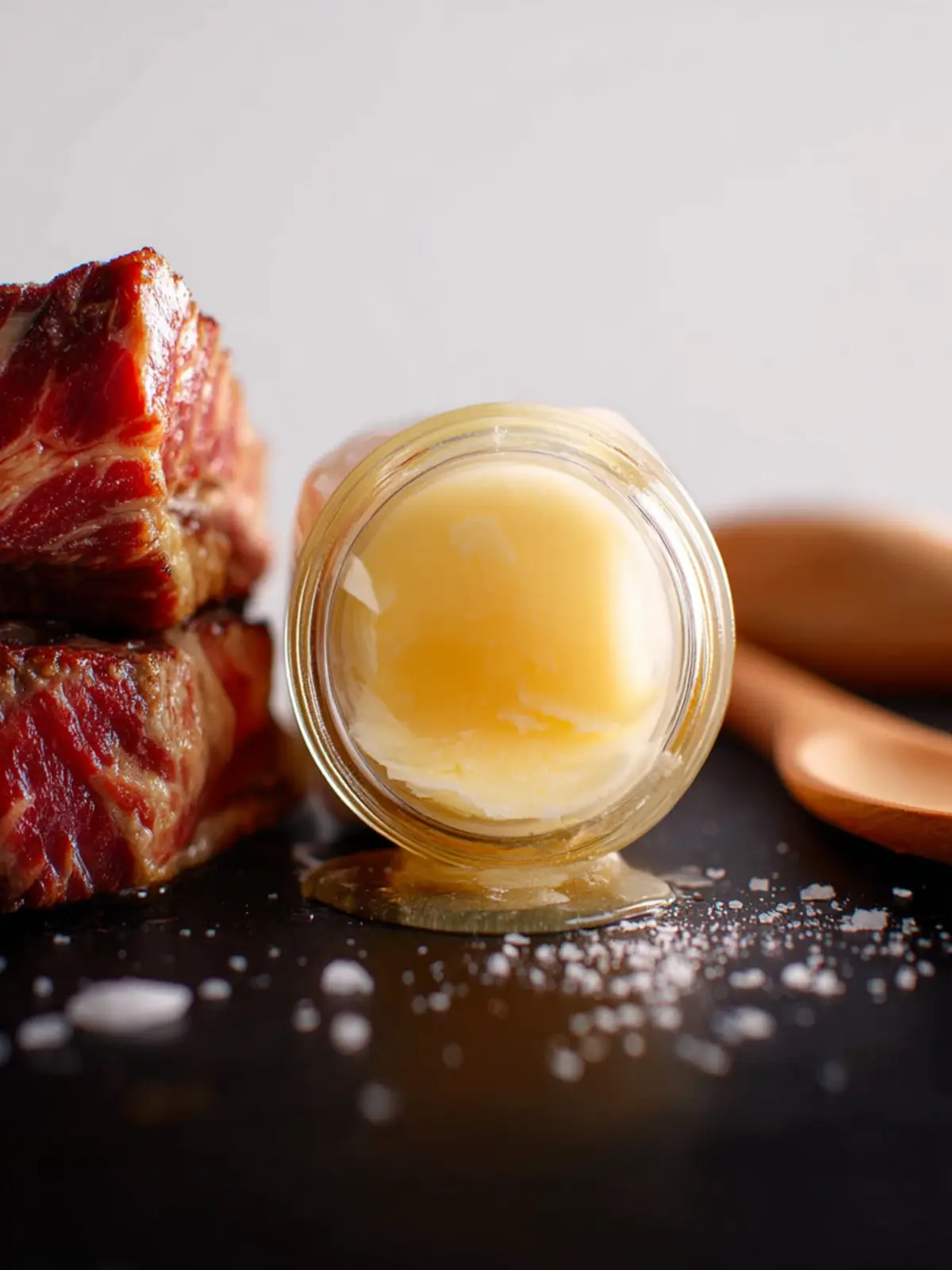
Serving Suggestions for Beef Tallow
Using beef tallow in your cooking is a culinary adventure that enhances both flavor and texture. You can use it as a versatile cooking fat, perfect for frying, sautéing, or roasting. Its high smoke point makes it ideal for searing steaks or pan-frying potatoes, delivering a crispy texture that oils like olive oil just can’t achieve.
Traditional dishes that benefit from tallow
Incorporate beef tallow into classic dishes that crave robust flavor:
- Roasted Vegetables: Toss your favorite root vegetables in tallow for an added depth of flavor and wonderful caramelization.
- Fried Chicken: Achieve that perfect golden crust by frying your chicken in hot tallow.
- Biscuit Making: Use tallow in your biscuit recipe for a flaky, rich texture that can’t be beaten.
Bringing beef tallow into your kitchen will not only elevate your meals but also connect you to rich culinary traditions that celebrate this time-honored ingredient.
Time Breakdown for Making Beef Tallow
Making beef tallow at home is not only a rewarding experience but also enriches your cooking repertoire with a versatile cooking fat full of flavor. Here’s how to carve out your time for this culinary adventure:
Preparation time
The preparation time for making beef tallow is about 15-20 minutes. This includes cutting the fat into small pieces and getting your equipment ready.
Cooking time
Once you start rendering, the cooking time will take approximately 3-4 hours. You’ll want to keep an eye on it to ensure the fat is melting evenly while keeping the heat low and steady.
Total time
In total, you’re looking at around 3 hours and 20 minutes to 4 hours and 20 minutes from start to finish. Setting aside this time will give you a beautifully rendered beef tallow that adds a wonderful depth to your meals!
Nutritional Facts about Beef Tallow
Beef tallow is more than just a cooking fat; it tells a story of nutrition and heritage. When you learn how to make beef tallow, you’re tapping into a rich culinary tradition that dates back generations.
Calories
A tablespoon of beef tallow contains approximately 115 calories. This concentrated source of energy can be a great addition to your cooking, especially for those following a higher-fat diet.
Fats
The fat content in beef tallow is 100% fat, primarily saturated and monounsaturated fats. These fats can be beneficial for energy, hormone production, and brain health, particularly if consumed in moderation.
Vitamins and Minerals
Beef tallow is rich in fat-soluble vitamins, especially vitamins A, D, E, and K. These vitamins play essential roles in maintaining your immune system and overall health. Additionally, tallow contains minerals like zinc and iron, which are important for various bodily functions.
Understanding these nutritional facts about beef tallow can help you make informed decisions for your recipe. Enjoy using this ingredient with confidence!
FAQs about Making Beef Tallow from Fat
Understanding how to make beef tallow not only opens up a culinary world but also provides a treasure trove of engaging questions. Here’s a friendly dive into some common inquiries about this versatile cooking fat.
How long does beef tallow last?
When properly rendered and stored in an airtight container, beef tallow can last for about 6 months in the fridge or up to a year in the freezer. For the best quality, make sure to keep it in a dark, cool place away from sunlight, as light and heat can cause it to go rancid more quickly.
What are the health benefits of beef tallow?
Beef tallow has gained popularity for its health benefits, especially among those following low-carb or keto diets. It’s rich in conjugated linoleic acid (CLA), a type of fat linked to various health advantages, including improved metabolism and potential weight loss. Tallow is also a source of vitamins A, D, E, and K, which are essential for various bodily functions.
Can I use tallow in baking?
Absolutely! While beef tallow is often used for frying and roasting due to its high smoke point, it can also be an excellent substitute for butter or shortening in baking. It lends a rich, savory flavor to pastries and can create a tender texture in cookies. Just keep in mind that it may impart a slightly different flavor than what you would get with traditional baking fats.
Exploring the world of beef tallow not only enhances your cooking but also encourages a mindful approach to using animal fats, enriching meals with both flavor and nutrition.
Conclusion on Making Beef Tallow from Fat
In navigating the process of how to make beef tallow, you’re not just learning a cooking technique; you’re forging a deeper connection with your culinary roots. Using fat that might otherwise be discarded, you create a versatile cooking fat that enhances flavors in countless dishes.
Reflect on what you’ve learned: the careful rendering, the glorious golden end product, and the satisfaction that comes with using every part of the animal. Whether it’s for savory frying or rich baking, you now possess a valuable skill that can transform your kitchen experience. Embrace it, and let your newfound passion for beef tallow inspire your culinary adventures.
Print
Rendered Beef Fat
- Total Time: 3 hours 10 minutes
- Yield: Varies based on fat
Description
A simple method to render fresh beef fat for cooking and baking.
Ingredients
- 2 pounds fresh beef fat
Instructions
- Preheat the oven to 250 degrees Fahrenheit.
- Be sure to cut your fat into large chunks. There’s no magic size, just as long as it’s not in one big piece.
- Place the fat chunks into an 8×8 baking dish.
- Cook for 3 hours.
- Remove from the oven. Be careful to not burn yourself.
- Pour the liquid from the pan, through a fine strainer, into a pourable measuring cup or bowl.
- Immediately pour the liquid from the bowl/measuring cup into jars and secure the lids.
- Let the fat come to room temperature. Tighten the lids one more time and then place the fat in the refrigerator for 48 hours or until set.
Notes
- This rendered fat can be used for frying or as a flavoring for various dishes.
- Ensure that the fat is completely cooled before sealing the jars.
- Prep Time: 10 minutes
- Cook Time: 3 hours
- Category: Condiments
- Method: Baking
- Cuisine: American
Nutrition
- Serving Size: 1 tablespoon
- Calories: 120
- Sugar: 0
- Sodium: 0
- Fat: 14
- Saturated Fat: 6
- Unsaturated Fat: 8
- Trans Fat: 0
- Carbohydrates: 0
- Fiber: 0
- Protein: 0
- Cholesterol: 0
